Why Is My Chicken Rubbery? (And How to Fix It)
Overcooking, uneven thickness, a crowded pan and “woody breast” are the usual causes. Here is how to get tender chicken every time.
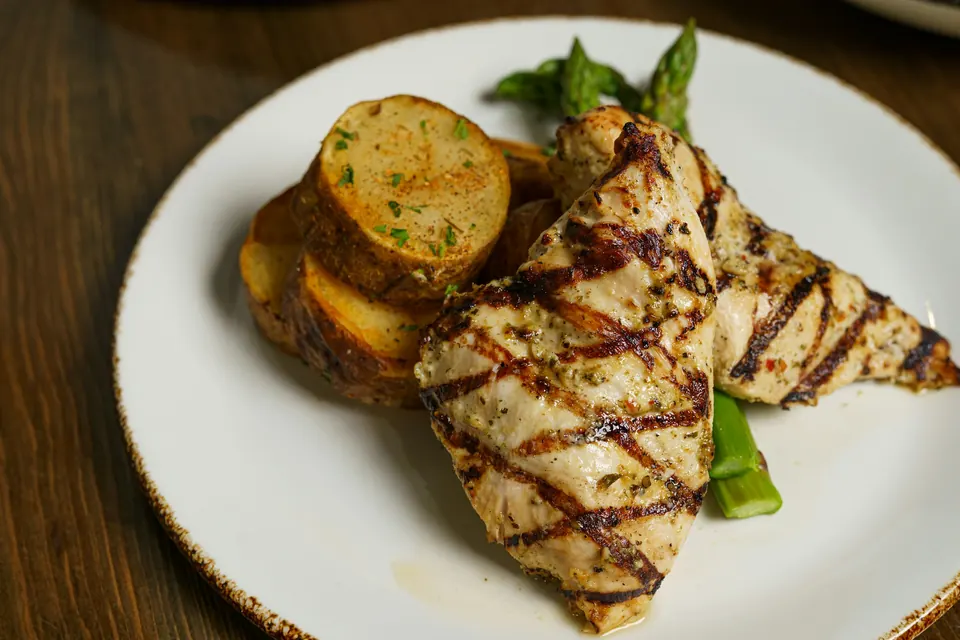
Few things are more disappointing than chicken that bounces back when you bite it. Luckily, the causes are few and the fixes are simple.
1. It is overcooked
This is the big one. Chicken breast is very lean, and once it goes much past 165°F it squeezes out moisture and turns tight and rubbery. Use an instant-read thermometer in the thickest part and take it off the heat as soon as it reaches 165°F.
2. The breast is uneven
A chicken breast is thick at one end and thin at the other. By the time the thick end is cooked, the thin end is dry. Pound it to an even ¾ inch between two sheets of plastic wrap, or slice it horizontally into two thinner cutlets.
3. The pan was crowded or not hot enough
Crowded chicken steams instead of searing, and spends longer in the pan. Pat it dry, heat the pan well and leave space between the pieces.
4. It was cooked straight from the fridge in a hurry
Very cold, thick pieces cook unevenly. Let the chicken sit while you prep other ingredients (no more than 30 minutes) or use thinner cuts.
5. It is woody breast
If the chicken is hard, stringy or chewy even when cooked correctly, it may be woody breast, a muscle condition found in some fast-growing chickens. It is not a food safety issue, but no cooking method fully fixes it. Slice it thinly across the grain, use it in soups or shredded dishes, or switch to chicken thighs.
How to get tender chicken every time
- Brine it: 30 minutes in 4 cups of water with 1/4 cup of kosher salt seasons it and helps it hold moisture. Or try one of our quick marinades.
- Rest it for 5 minutes before slicing.
- Slice across the grain.
- Use thighs: they are much more forgiving. Try honey garlic chicken thighs.
Check temperatures on our safe cooking temperatures chart.
Questions, answered
Is rubbery chicken undercooked or overcooked?
Usually overcooked. Undercooked chicken tends to look glossy, pink and soft rather than rubbery. A thermometer reading of 165°F in the thickest part tells you it is safely cooked.
Is woody breast chicken safe to eat?
Yes. Woody breast affects texture, not safety. Cook it to 165°F like any chicken and slice it thinly or shred it.
How do you make chicken breast tender?
Pound it to an even thickness, brine or marinate it, cook it just to 165°F, rest it for 5 minutes and slice across the grain.