Active Dry vs. Instant Yeast (and How to Swap Them)
What the difference really is, how to swap one for the other and how to tell if your yeast is still alive.
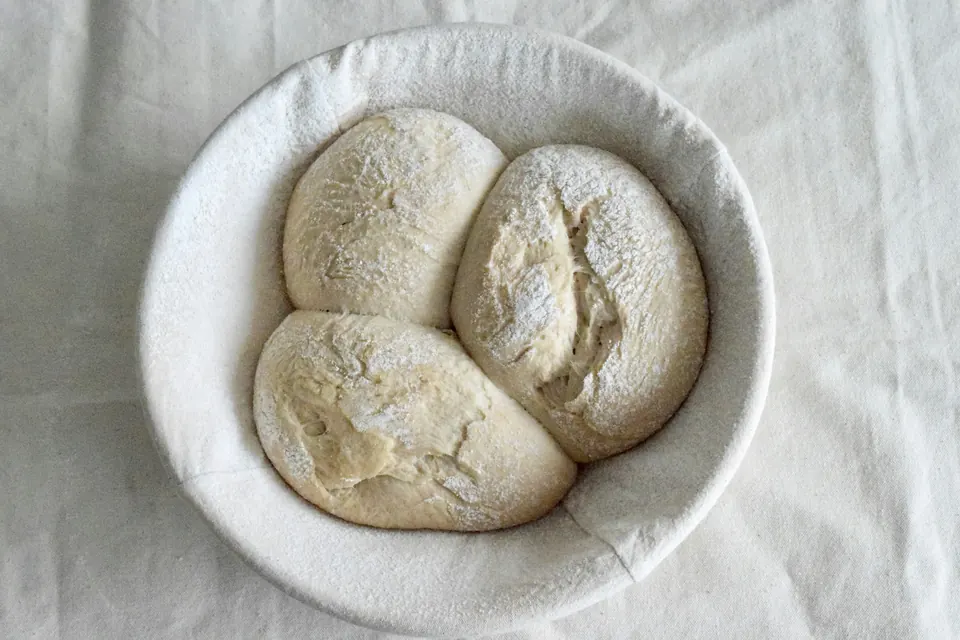
Both are dried yeast. The difference is how they are made and how quickly they get going.
| Active dry yeast | Instant yeast | |
|---|---|---|
| Granules | Larger | Finer |
| Needs dissolving first? | Yes, in warm water | No, mix into the flour |
| Rise speed | A little slower | A little faster |
| Water temperature | About 105°F to 110°F | Warm liquid, about 120°F to 130°F when mixed with flour |
1 packet = 2 1/4 teaspoons = 7 grams of either kind.
Swapping them
You can swap them one for one. If you use active dry yeast in a recipe written for instant, dissolve it in some of the recipe's warm water first and expect the rise to take a little longer. Using instant yeast in an active-dry recipe? Just mix it with the flour.
"Rapid rise" and "quick rise" yeasts are types of instant yeast.
Is my yeast still alive?
Stir 1/4 teaspoon sugar and the yeast into 1/4 cup warm water (about 105°F). Within 10 minutes it should foam and smell yeasty. No foam means the yeast is dead: buy fresh.
Storing yeast
Unopened packets keep until the date on the package. Once opened, store yeast in an airtight container in the fridge for about 4 months or the freezer for up to 6 months.
Too hot kills yeast
Water above about 140°F can kill yeast. If you do not have a thermometer, the water should feel comfortably warm on the inside of your wrist, like a warm bath.
Put it to use: the foolproof homemade pizza dough.
Questions, answered
Can I substitute instant yeast for active dry yeast?
Yes, one for one. Mix instant yeast directly into the flour; the dough may rise a little faster.
How much yeast is in a packet?
One standard packet contains 2 1/4 teaspoons, or 7 grams, of yeast.