Canned Tomatoes: Choose the Right Can for Dinner
Whole, diced, crushed, sauce, or paste? A practical guide to tomato texture, label reading, substitutions, and storing the extra.
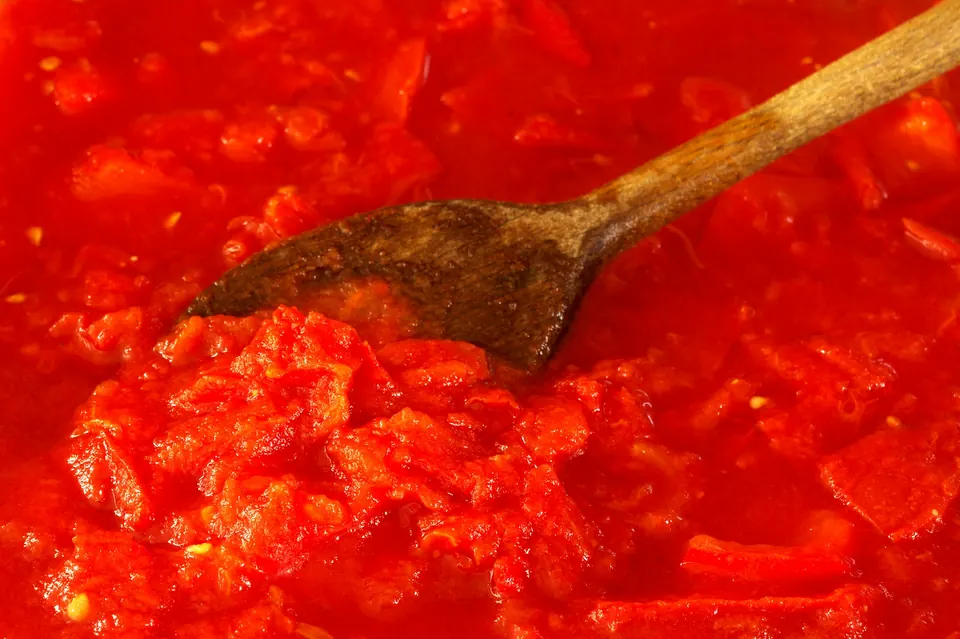
A well-chosen can of tomatoes can be the beginning of pasta night, a pot of beans, or a quick skillet dinner. The most useful question is what texture does this dish need? A sauce meant to coat noodles needs something different from a chili with visible pieces of tomato.
Choose by texture
| Type | What it brings | A useful starting point |
|---|---|---|
| Whole peeled | Large pieces that you can break down yourself | Rustic sauces and longer-simmered dishes |
| Diced | Ready-cut pieces in liquid | Chili, bean skillets, and soups |
| Crushed | A spoonable tomato base; thickness varies by brand | Weeknight pasta sauce |
| Tomato sauce | A smooth base that may include seasoning | Smooth sauces and casseroles |
| Tomato paste | Concentrated tomato flavor in a small amount | Building flavor before adding liquid |
The names help narrow the choice, but the ingredient list matters too. “Tomato sauce” and a ready-to-serve jar of pasta sauce are not necessarily the same product. Check for added herbs, garlic, salt, and other seasonings before adjusting your recipe.
Read the can before buying
Start with the net weight, not the apparent size of the container. A recipe written for one 28-ounce can needs the same amount of tomato if you use smaller cans. Two 14.5-ounce cans total 29 ounces; that small difference is usually manageable in an everyday simmered sauce, but it is not an exact measurement.
Next, decide whether the liquid belongs in the dish. If a recipe simply lists canned tomatoes, it usually intends you to include their liquid unless it specifically says drained. Draining a can changes the amount of tomato and moisture you add, which matters especially in a one-pot pasta.
Compare sodium on the Nutrition Facts panel using the same serving size. An unseasoned or no-salt-added version gives you more control when the recipe also contains broth, cheese, olives, or other salty ingredients. That is a cooking choice, not a promise about the finished dish's nutrition.
Make a sensible substitution
- Whole for crushed: Break the tomatoes into smaller pieces with a spoon or briefly blend them before cooking. Protect your counter from splashes.
- Crushed for diced: Expect a smoother, more unified sauce with fewer distinct tomato pieces.
- Diced for crushed: Blend if a smooth coating is the goal. The finished thickness will still depend on the product and cooking time.
- Paste for another type: Do not replace a full can with the same volume of paste. Use a recipe designed for paste, or follow the package's preparation guidance.
Kitchen note: Make one change at a time. If you switch both the tomato product and the pasta shape, it becomes harder to judge why the sauce finished too thick or too loose.
For a watery everyday sauce, simmer uncovered and stir as needed. If it becomes too thick, add a little appropriate liquid and reassess. In a one-pot recipe, follow its liquid instructions first: the noodles need enough moisture to cook.
Store the extra safely
Keep unopened commercial cans in a cool, dry place. Do not use leaking, bulging, or badly damaged cans. USDA lists 12–18 months as a typical quality window for high-acid canned foods such as tomatoes; follow the product's storage instructions. USDA shelf-stable food guidance
After opening plain canned tomatoes, refrigerate promptly in a covered container and use within 5–7 days. Transferring them to glass or plastic helps preserve flavor. Once tomatoes become a cooked mixed dish, use that dish's shorter leftover guidance rather than automatically applying the tomato-only window. USDA opened-can guidance
Label leftovers with the opening date. Freeze useful portions if you will not use them in time; a small container is easier to work into dinner than an unlabeled half-can.
Put the can to work
Try creamy tomato spinach pasta, then use our pasta-shape guide to choose noodles that suit the sauce. For another pantry-centered dinner, browse smoky black bean tacos.
Photo shows the style of the dish and may differ from this exact recipe.