Ground Beef: Buying, Browning, and Building a Better Dinner
Understand lean-to-fat labels, choose a useful pack size, brown beef well, and keep burgers and leftovers safe.
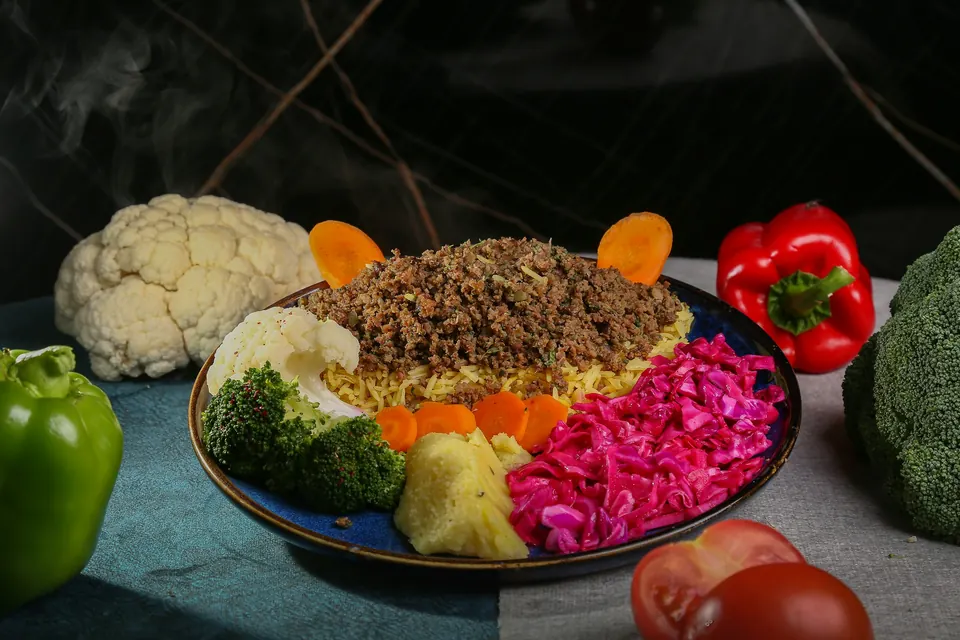
Ground beef earns its place in a weeknight kitchen because one ingredient can become burgers, a pasta sauce, taco filling, or a vegetable-packed skillet. Choosing the right package starts with the meal you plan to make, not a rule that the leanest or richest option is always best.
Understand the label
A label such as 85% lean / 15% fat describes the raw mixture. It is not a promise about how much fat will remain in your cooked dinner, and the number does not tell you whether the beef has reached a safe cooking temperature.
| Label you may see | A practical use | What to consider |
|---|---|---|
| 80% lean / 20% fat | Burgers or a richly flavored skillet | More rendered fat may need managing |
| 85% lean / 15% fat | An all-purpose starting point | Useful when you want one package for several meals |
| 90% lean / 10% fat | Saucy fillings and vegetable-heavy dishes | Watch for sticking or dryness |
| 93% lean / 7% fat | Recipes written for a leaner mixture | Avoid prolonged cooking after it is done |
These are cooking preferences, not a ranking of nutritional quality. Use the recipe's requested blend when it matters to the result.
Buy for the meals you will actually cook
A large package is useful only if you have a plan for it. Divide it into the amounts your recipes use before freezing, and label each package with the weight and date. A flat, well-wrapped portion is easier to stack than a bulky lump.
Compare prices on the same basis, such as dollars per pound, while remembering that different blends may cook down differently. Do not compare the price of a raw pound with the weight of already-cooked beef as though they were the same purchase.
Keep raw meat separate from ready-to-eat groceries. At home, use a rimmed tray or container in the refrigerator so a leak cannot reach produce, bread, or cooked food.
Give browning some space
For crumbled beef, use a pan large enough for the amount you are cooking. Adding too much at once can leave a pool of liquid that has to evaporate before the surface browns. Work in batches when necessary.
Break the meat into pieces that suit the meal. Fine crumbles spread through a sauce; larger pieces give a skillet dinner more texture. Let the pan do some work before constantly stirring, then turn and break up the beef as needed. If there is excess rendered fat, remove it carefully and dispose of it after cooling rather than pouring it down the sink.
For burgers, shape the portions gently and follow a recipe written for patties. A seasoning mixture that works for loose taco meat is not automatically the right mixture for a burger.
Use a thermometer, not color
Cook ground beef to 160°F, measured with a food thermometer. For a thin burger, insert the probe from the side toward the center. Brown meat can still be undercooked, and properly cooked meat can sometimes retain pink color. USDA guidance on ground-beef color and doneness
This is different from the guidance for intact steaks. If you substitute ground turkey or chicken, the safe minimum becomes 165°F. USDA safe handling guidance
Store, thaw, and reuse safely
Keep raw ground beef at 40°F or below and use within 1–2 days, or freeze it. Thaw in the refrigerator; microwave or cold-water thawing requires immediate cooking. Never thaw a package on the counter.
Refrigerate cooked beef promptly in shallow containers, within 2 hours or 1 hour above 90°F. Use refrigerated cooked leftovers within 3–4 days and reheat to 165°F. Do not partially cook beef to finish on another day. USDA ground-beef guidance
Meal-planning tip: Label cooked portions by their seasoning as well as the date. Plain browned beef is easier to redirect than a strongly seasoned filling.
Put it on the table
Try skillet cheddar burgers. For a different protein and flavor combination, see turkey avocado burgers, following that recipe's poultry temperature. Round out the meal with ideas from our recipe collection.
Photo shows the style of the dish and may differ from this exact recipe.