Chili Peppers: Build Flavor and Choose Your Heat
A practical guide to fresh peppers, dried seasoning, and serving spicy food to people with different heat preferences.
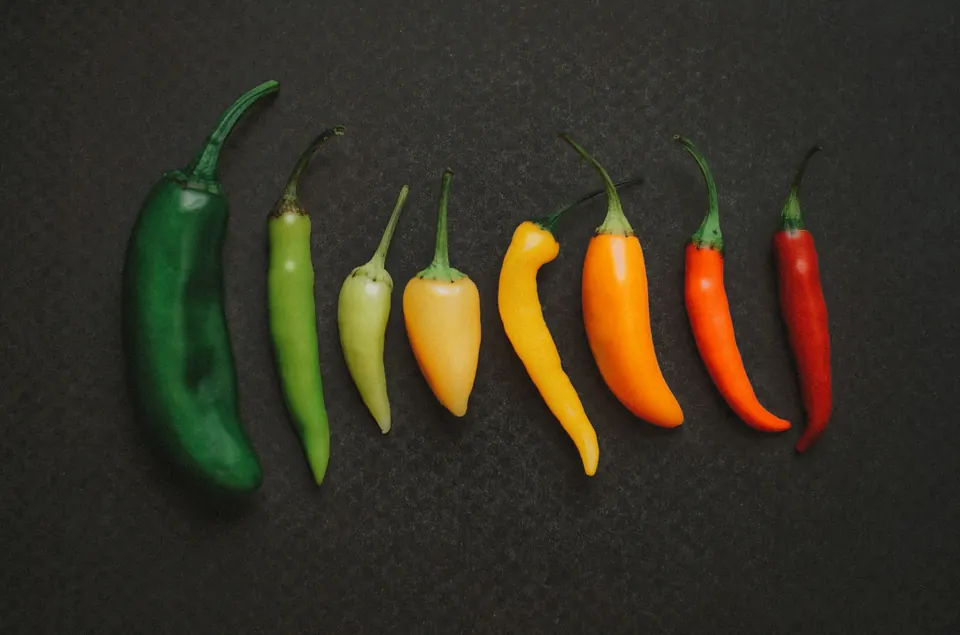
A spicy dinner works best when heat supports the rest of the food. Peppers can add fresh flavor, sweetness, smoke, or a sharp kick; choosing between those qualities is often more useful than chasing the hottest ingredient. Start with a clear idea of how you want the finished meal to taste.
Choose a useful starting point
| Ingredient | Main role in the kitchen | A practical use |
|---|---|---|
| Sweet bell pepper | Pepper flavor without the hot-pepper kick | A mild base for a shared family meal |
| Poblano | A fresh pepper choice often used for gentler heat | Roasted vegetables and skillet dishes |
| Jalapeño | Fresh, noticeable heat that varies by pepper | Tacos, bowls, sauces, and toppings |
| Serrano | A more assertive fresh-pepper option | Small additions to salsa or cooked dishes |
| Crushed red pepper | Convenient dried heat in flakes | Pasta sauces and table seasoning |
| Chili powder blend | A mixture that may include cumin, garlic, and salt | Chili and seasoned bean dishes |
These descriptions are starting points. Variety, growing conditions, brand, and the amount used all affect the result. Do not assume that two peppers of the same size will taste identical.
“Chili powder” can mean different things
In a US grocery aisle, a jar labeled chili powder may be a seasoning blend. A powder labeled cayenne or ground chipotle is a different ingredient. Read the list before replacing one with another.
A tablespoon of a mild blend is not a sensible automatic substitute for a tablespoon of a concentrated hot-pepper powder. If a recipe specifies a particular product, use it or choose a recipe built around what you have. Smoked paprika can add a smoky character, but it should not be treated as identical to chipotle.
Let people choose their heat
For a mixed-preference table, build the main dish with its onions, garlic, herbs, and other seasonings first. Keep the hottest addition modest and offer extra hot sauce or sliced peppers separately. This preserves flavor while making the meal easier to share.
Add a small amount, stir well, and allow it to distribute before deciding whether more is needed. If the dish contains raw meat, do not taste it until it is safely cooked. Record the amount that worked with your particular pepper or seasoning so the next dinner is easier to repeat.
Serving idea: Put spicy toppings in a separate bowl with a spoon. Diners can add heat to their own portion without changing the entire pan.
If you overshoot, increasing the amount of the mild base can reduce the concentration of hot seasoning. Adding yogurt to a finished serving may change the eating experience, but it does not remove pepper from the dish. Check allergies and the flavor of the recipe before introducing a dairy topping.
Prep without spreading pepper to your eyes
Wear gloves when handling hot peppers, then wash your hands after removing them. Avoid touching your face or eyes during preparation. University of Minnesota Extension recommends gloves and careful handwashing when working with hot peppers. Extension pepper guidance
Wash fresh peppers under running water before cutting. Clean the knife, board, and work surface afterward. Removing inner membranes can reduce some of the heat, but it does not guarantee a mild result. Keep prep tools away from foods that will be served without further cooking.
Store what you will use
Keep fresh peppers refrigerated and use them while they are firm and sound; discard spoiled produce. For longer storage, jalapeños can be frozen. Remove stems and prepare them in useful portions, then pack well. Thawed peppers soften, making them more convenient for cooked dishes than a crisp garnish. Oregon State Extension's freezing advice
Follow the label for commercial hot sauces and seasoning blends. Homemade pepper sauces and pepper-in-oil mixtures need recipe-specific safety guidance; do not assume that adding vinegar or oil creates a shelf-stable product.
Turn flavor into dinner
Use these ideas with spicy chicken rice bowls or smoky black bean tacos. If your spicy sauce starts with a can, our canned-tomato guide can help you choose its texture.
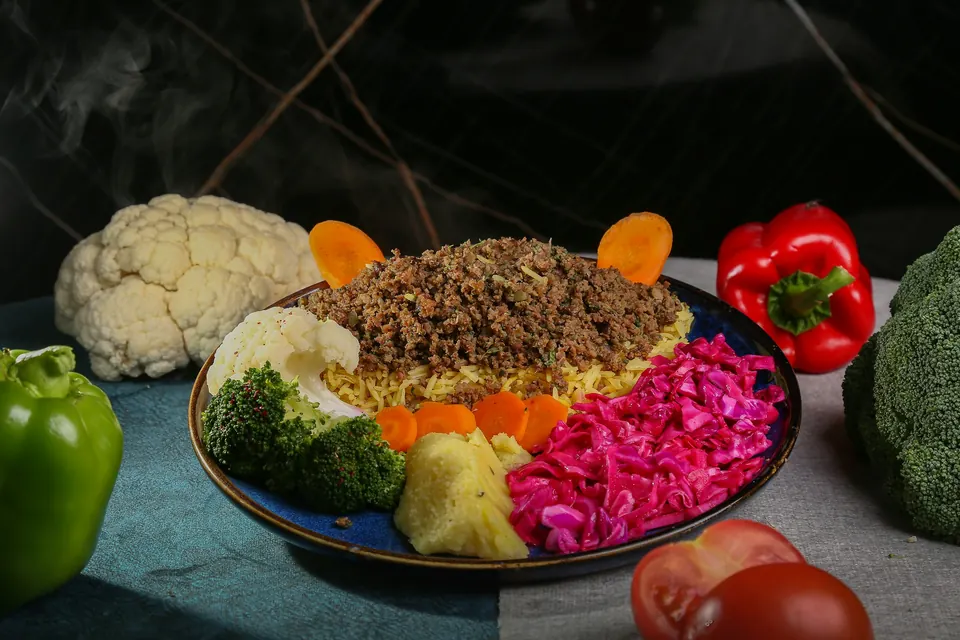
Photo shows the style of the dish and may differ from this exact recipe.