Pasta Shapes: A Practical Guide to Better Weeknight Bowls
Match the pasta to the sauce, make smarter substitutions, and avoid the small mistakes that leave dinner dry, watery, or overcooked.
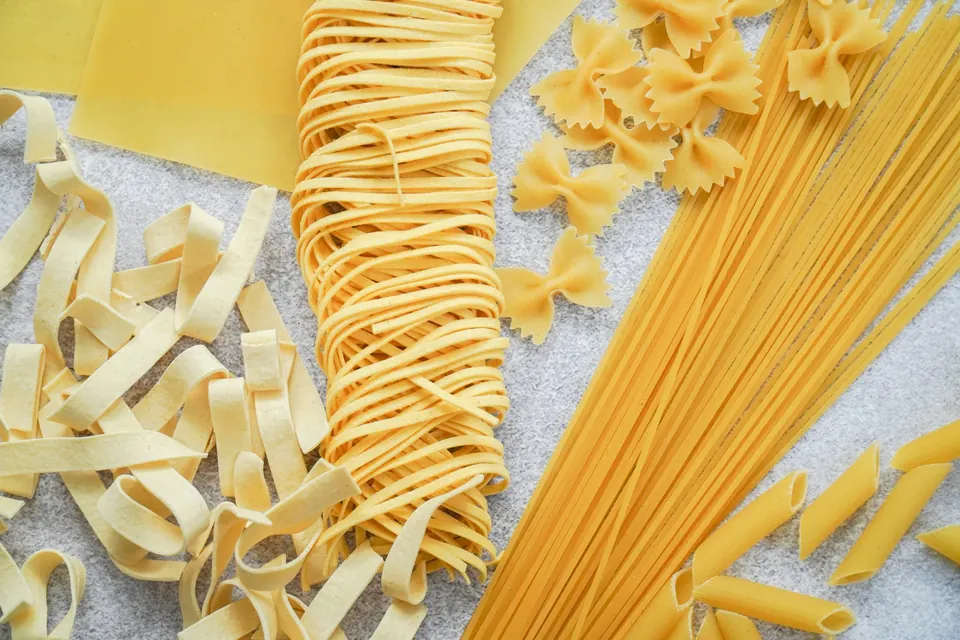
Pasta does not need a complicated sauce to make a satisfying dinner. It needs a shape that works with what is in the pan, enough sauce to coat it, and a cook who starts checking before the noodles turn soft. Think of shape as a useful cooking tool rather than a rule you can get wrong.
Match the shape to the meal
| Shape | Helpful feature | Try it with |
|---|---|---|
| Spaghetti or linguine | Long strands that twirl | Smooth tomato sauce or a light oil-based sauce |
| Penne or rigatoni | Tubes with room for sauce | Chunky vegetables, meat sauce, or a pasta bake |
| Rotini or fusilli | Twists that catch small ingredients | Pesto, chopped vegetables, or creamy sauces |
| Small shells or elbows | Compact, spoon-friendly bites | Cheese sauces and family-style bowls |
| Orzo or ditalini | Small pieces that spread through a dish | Soup or a recipe designed for small pasta |
These are starting points, not restrictions. Rigatoni's ridges and wide opening work particularly well with substantial sauces, while rotini's spirals hold many different sauce styles. Barilla's rigatoni guide and rotini guide
Substitute by weight, then check the timing
If a recipe calls for 8 ounces of penne and you have rotini, weigh 8 ounces of the replacement. Measuring by cups can give you a different amount because shapes pack differently. Keep the replacement reasonably similar in size when possible.
Cooking time belongs to the package you are using. A brand, shape, or ingredient change can alter how quickly pasta softens. Whole-wheat, chickpea, lentil, and gluten-free pastas should not inherit the timing from a standard wheat-pasta recipe without checking their labels.
One-pot recipes need extra care. Different shapes and formulations can behave differently in a measured quantity of liquid. A small pasta such as orzo is not a simple swap for large tubes. Choose a separately boiled recipe when you want the most flexibility, or use the shape specified in the one-pot instructions.
Build a better finish
- Have the sauce and toppings ready before the pasta finishes.
- Use the package's timing as your guide, then taste a noodle for the texture you want.
- Save some cooking water before draining.
- Add the pasta to the sauce and toss gently.
- Loosen with a small splash of reserved water only if needed.
Barilla recommends skipping oil in the cooking water, stirring during cooking, and retaining the starch on pasta destined for a hot sauce rather than rinsing it away. Reserved cooking water can help bring the sauce and noodles together. Barilla's pasta-cooking guidance
Texture tip: Add water gradually. You can always add another splash; it is harder to remove excess liquid without overcooking the noodles.
Plan the amount without guessing
Read the dry serving size on the package, then consider the rest of dinner. A pasta bowl with vegetables and beans is different from a small side serving. If the recipe gives a dry weight and a yield, start there rather than assuming every bowl needs the same volume.
Keep an eye on sauce coverage as well as pasta quantity. Doubling the noodles without increasing the sauce is a common route to a dry bowl. If you are stretching a meal with vegetables, cut them into pieces that work with the pasta and cook them appropriately before combining.
Store and reheat the leftovers
Keep dry pasta closed in a dry pantry and follow its package instructions. Fresh refrigerated pasta is a different product and needs refrigeration.
Refrigerate cooked pasta dishes in shallow containers within 2 hours, or within 1 hour when the surrounding temperature is above 90°F. Keep the refrigerator at 40°F or below, use leftovers within 3–4 days, and reheat to 165°F. USDA leftover guidance
For texture, add a little water or sauce during reheating and stir so the dish heats evenly.
Choose tonight's bowl
Start with lemon broccoli pasta or creamy tomato spinach pasta. Our canned-tomato guide explains which can to reach for when the sauce is the next decision.
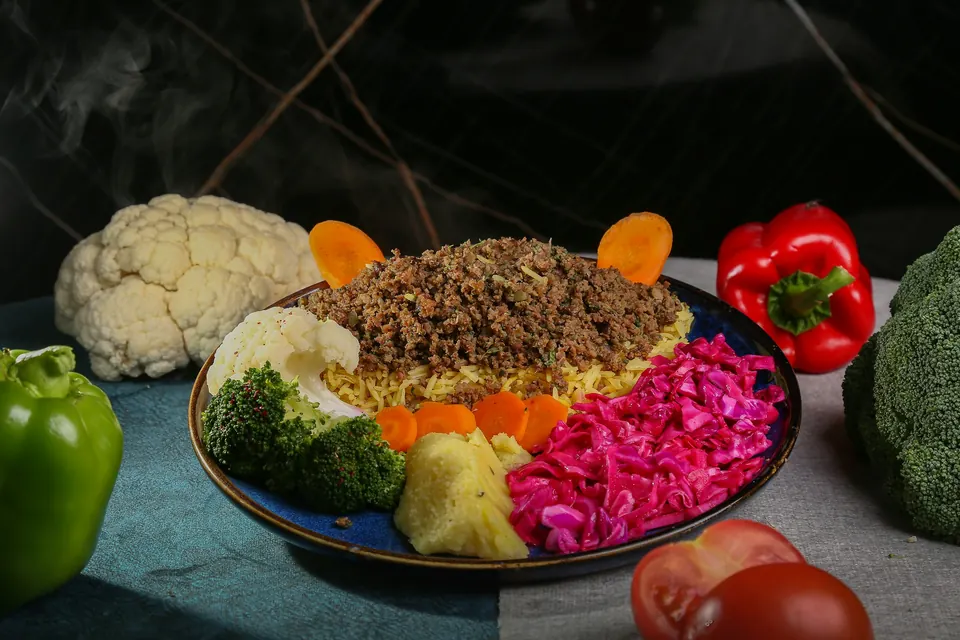
Photo shows the style of the dish and may differ from this exact recipe.