Frozen Berries: Better Smoothies, Fruit Spreads, and Less Guesswork
Choose the right bag, manage extra liquid, and use frozen berries thoughtfully in drinks and simple fruit preparations.
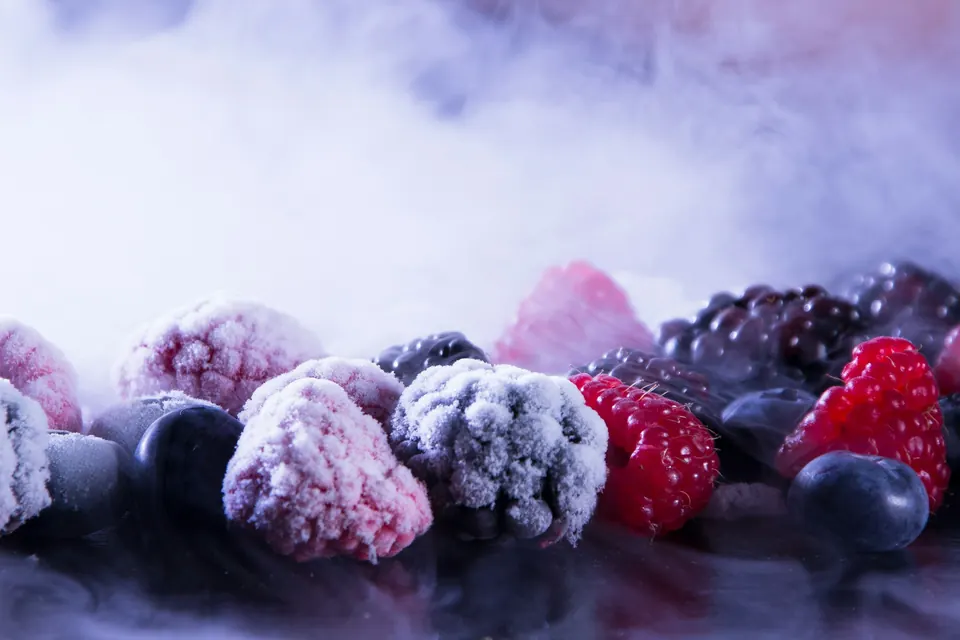
Frozen berries make it easier to keep fruit on hand without deciding exactly when every fresh carton will be eaten. Their strengths are color, flavor, and convenience. Their main cooking difference is texture: thawed fruit is often softer and releases liquid, so it helps to choose a use that welcomes those qualities.
Choose the bag for the job
| Type | Useful for | What to expect |
|---|---|---|
| Strawberries | Smoothies and spoonable fruit toppings | Larger pieces may need more blending |
| Blueberries | Blended drinks and cooked fruit preparations | Deep color that can tint the whole mixture |
| Raspberries | Tart flavor and fruit sauces | Noticeable seeds |
| Blackberries | Bold fruit flavor and mixed-berry blends | Seeds and a darker finished color |
| Mixed berries | A convenient starting point | Flavor changes with the mix's proportions |
Check the ingredient list for added sugar or syrup. If the recipe assumes unsweetened fruit, a sweetened product can change both the taste and the amount of liquid. Whole fruit, sliced fruit, and puree also occupy measuring cups differently. Use a weight when the recipe provides one.
Frozen does not mean sterilized
Berries have been linked to foodborne illness, including products sold frozen. Freezing and blending should not be treated as steps that make contaminated fruit safe. Follow the package's handling and cooking instructions, and check for recalls before using a bag that may be affected. FDA describes its work on reducing contamination in the berry supply chain in its berry-safety update.
Do not use recalled berries. Match the product name, lot, and date information to the recall notice and follow its disposal or return instructions; do not try to salvage the fruit in a smoothie or cooked spread. FDA food recalls and safety alerts
For recipes using fresh berries, rinse under running water before preparing, without soap or produce detergent. Washing reduces some contamination but does not eliminate every risk. Keep fruit and blender parts away from raw meat and its utensils. FDA produce guidance
Build a smoother smoothie
Start with the liquid your recipe specifies, then add softer ingredients and the frozen fruit in the order recommended for your blender. A high-powered blender and a compact personal blender may handle the same frozen mixture differently.
If the blades spin without moving the mixture, stop the machine before adjusting it. Add liquid a little at a time rather than trying to force a solid block through the blades. Use only the manufacturer's approved tamper where applicable; never reach into a running blender.
Texture tip: More ice makes a drink colder and thicker initially, but it also adds water as it melts. Frozen fruit can supply body without needing a large scoop of extra ice.
Taste only after the ingredients have blended evenly. A mixed bag with more tart berries may need a different balance than one dominated by strawberries. Adjust sweetness for taste without claiming the drink treats, prevents, or “detoxes” anything.
Manage thawing and extra liquid
For a smoothie, use fruit frozen only when its package directions permit that use. For a topping or spread, follow the recipe's thawing instructions. If the recipe says to retain the juice, do not discard it; if it says drained, allow time for that step.
Thaw in the refrigerator when thawing is required. Keep the freezer at 0°F and package fruit well. University of Minnesota Extension gives 8–12 months as a general quality guide for frozen produce; use package instructions where provided. Extension freezing guidance
A refrigerator fruit spread is not made shelf-stable simply because its fruit began frozen. Use the recipe's storage instructions and a tested preservation process if you want a product suitable for pantry storage.
Make something useful
Start with strawberry banana smoothie or blueberry lemon fruit spread. Before experimenting with jam texture, read our fruit-pectin guide and jam-safety guide.
Photo shows the style of the dish and may differ from this exact recipe.