Blueberry Jam: Tested Methods and Lemon Serving Ideas
Find a tested blueberry jam method, understand when lemon is a serving choice, and avoid confusing a flexible topping with a canning formula.
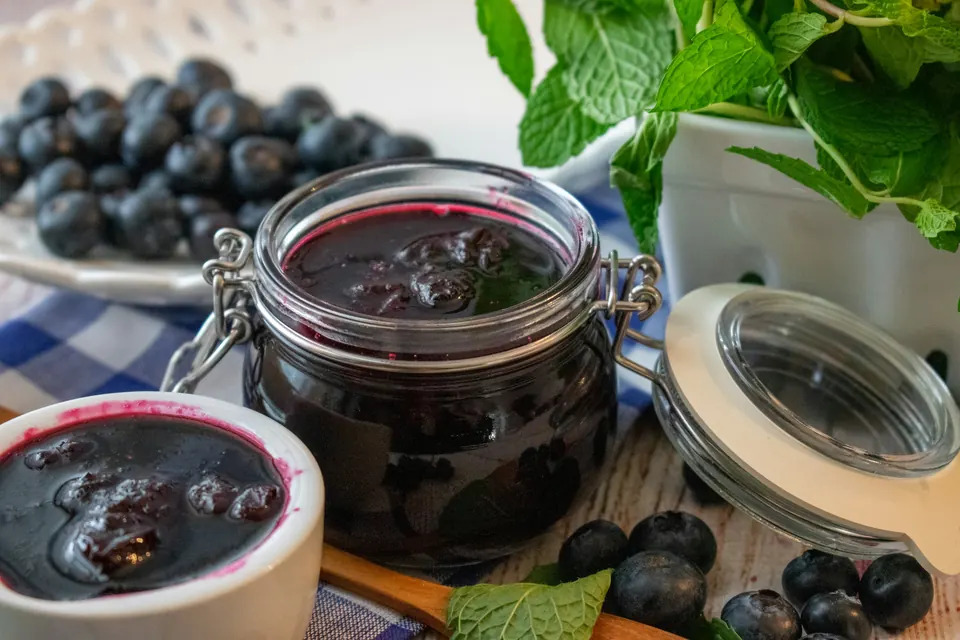
Blueberries make a deep-colored spread that works with breakfast, a simple dessert or a snack. Their skins contribute texture, so a blueberry jam will not feel exactly like a strained jelly. Before cooking, decide which texture and storage method suit the way you plan to eat it.
Start from a complete tested recipe
The NCHFP blueberry-spice jam recipe is one tested starting point. Follow its fruit preparation, acid, sugar, pectin, jar size and processing directions together. Its formula is not a template for arbitrary flavor substitutions.
For more options, browse the NCHFP jam directory, which also lists blueberry combinations. Pick a method that already includes the fruit combination you want rather than adapting a strawberry recipe by guesswork.
Know what you are measuring
A bowl of whole blueberries is not the same volume as the same berries after crushing. Read the preparation wording before using a measuring cup. If a recipe permits frozen fruit, follow its instructions about thawing and any liquid; do not drain or discard juice automatically.
Sort out spoiled berries and follow produce handling guidance. Commercially frozen berries also need label and recall checks. Our frozen-berry guide explains why freezing is not a sanitizing step.
| The decision | Why it matters |
|---|---|
| Whole versus crushed fruit measurement | It changes the amount going into the batch |
| Liquid versus powdered pectin | The products have different methods |
| Fresh versus specified bottled acid | A canning formula can depend on its acid instructions |
| Refrigerator versus pantry storage | Each requires a suitable method |
| One batch versus a doubled batch | Boiling and setting behavior change |
Add lemon at the table
For a lemon-blueberry flavor without altering a preservation formula, serve a spoonful of safely prepared blueberry jam over yogurt and grate a little washed lemon zest onto your own portion. You can also pair it with a plain pancake and a small dollop of yogurt.
That is a serving suggestion, not permission to stir fresh zest or extra juice into a whole batch before canning. Preserve the tested recipe as written. If you want a lemon-containing preserve, choose a tested formula that already specifies it.
Watch the finish without improvising
A hot spread can seem thinner than the cooled result. Follow the recipe's setting and cooling directions before deciding it failed. If you need help, consult the source's troubleshooting guidance rather than adding random quantities of pectin or boiling for an extra guessed interval.
Keep notes about the exact product and batch, especially the pectin brand and recipe source. Good notes make it easier to identify a measuring or process difference next time.
Other fruits worth exploring
Peach, plum and blackberry offer different textures and seasonal uses. Start each with its own tested method. For example, NCHFP peach jam with pectin has its own preparation and processing directions; it is not a blueberry formula with peach substituted.
Put the jar in the right place
Label the date and required storage method, then follow the complete source's storage instructions. Use a clean spoon when serving. If you want to make fruit spreads for gifts, include those instructions with the jar so the recipient knows whether it belongs in the refrigerator or pantry.
Read our jam-method comparison before choosing the next batch. This article is an ingredient and planning guide, not an original canning recipe.
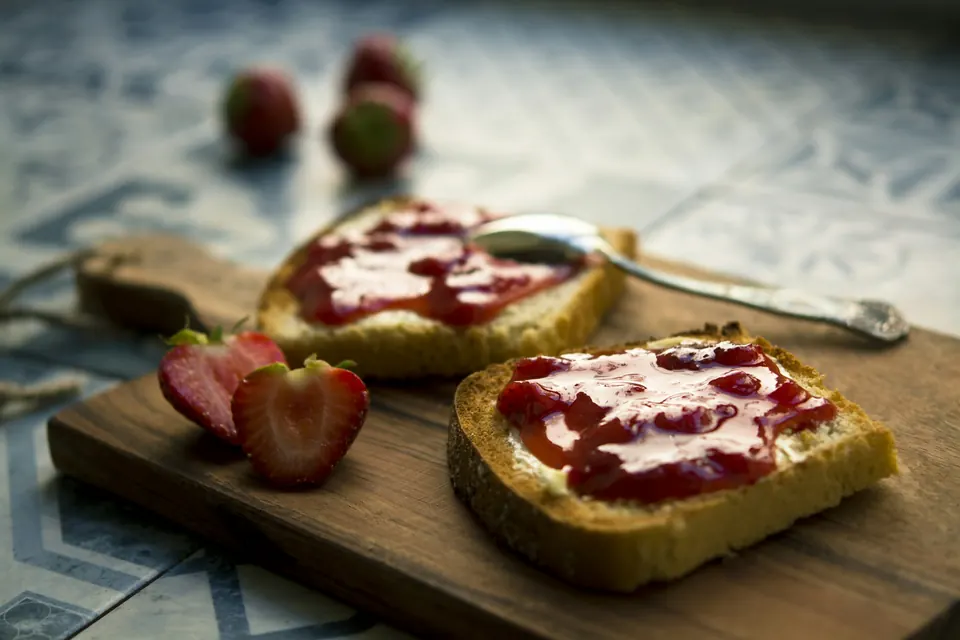
Photo shows the style of the dish and may differ from this exact recipe.