Strawberry Jam: Choose a Refrigerator, Freezer, or Canned Method
Plan a strawberry jam batch with the right fruit, pectin, containers, and tested recipe, then put the finished spread to work beyond toast.
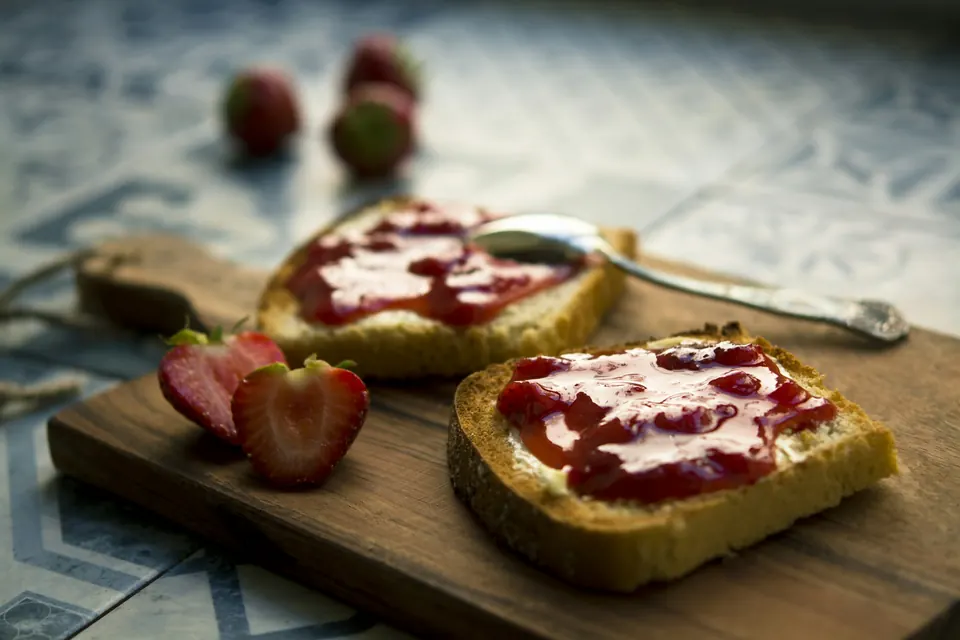
Strawberry jam can mean several different kitchen projects. A freezer version can retain a fresher fruit character; a cooked preserve has another texture and workflow. The best first decision is how you want to store the finished jars, not how many strawberries happen to be in the bowl.
Two tested starting points
For cold storage, NCHFP publishes an uncooked berry jam with powdered pectin that specifies strawberries or blackberries. Use its complete formula, preparation sequence, standing time and storage instructions.
For a processed product, its strawberry jam with powdered pectin provides a separate method, including jar preparation and altitude-based processing. These two recipes are different formulas. Do not borrow the sugar amount from one and the processing directions from the other.
Prepare before you measure
Read whether the recipe measures whole fruit, chopped fruit, crushed fruit or juice. A cup of whole strawberries leaves spaces that a cup of crushed fruit does not. Measuring at the wrong stage changes the batch.
Sort the berries, discard spoiled fruit and wash them before removing caps. Gather the measuring tools before starting so you can measure prepared fruit without interruption. Use the fruit form specified by the recipe; check its instructions before using frozen berries.
| Before shopping | Before starting |
|---|---|
| Choose refrigerator/freezer or canned storage | Read every step in the chosen source |
| Confirm the pectin type | Measure fruit in the required prepared form |
| Check the required sugar amount | Prepare the correct containers and lids |
| Check the batch yield | Make room in the refrigerator or freezer if needed |
Give the batch enough attention
Jam work is easier when the sink and counter are clear. Keep unrelated food preparation away from the workspace and have a place for the finished containers. If the yield is more than you want, choose another tested small-batch formula rather than casually dividing a preservation process.
Our fruit-pectin guide explains why pectin products need their own directions. The jam safety guide explains how storage changes the project.
Use the finished jam thoughtfully
A spoonful can go into plain yogurt, onto oatmeal after cooking, or between two slices of toast with a spread you enjoy. For a dessert, serve a little alongside vanilla ice cream. These serving ideas use an already safely made product; they are not additions to a canning formula.
Keep the serving utensil clean and follow the recipe's instructions once a container is opened. Put cold-storage spreads back in the refrigerator promptly.
Common questions
Can I make it less sweet? Choose a tested reduced-sugar strawberry method and the pectin it specifies. Do not simply remove sugar from an ordinary recipe.
Can I add lemon or chia seeds? That would create a different formula. Choose a recipe designed for those ingredients and its storage method. A new fruit mixture is not shelf-stable because it is thick.
Where are the ingredient quantities? Open the complete tested source linked above. Keeping the formula, processing table and storage instructions together avoids separating a quantity list from the method that makes it appropriate.
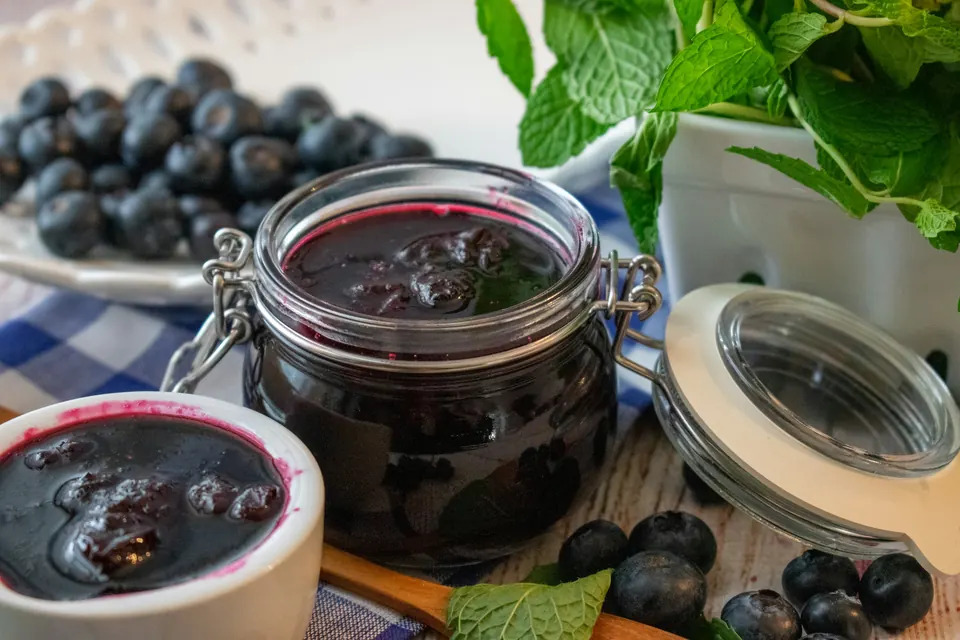
Photo shows the style of the dish and may differ from this exact recipe.