Refrigerator Jam or Canned Jam? Start Here
Choose the right kind of fruit spread before buying jars: a practical guide to cold storage, tested canning methods, pectin, and common shortcuts to avoid.
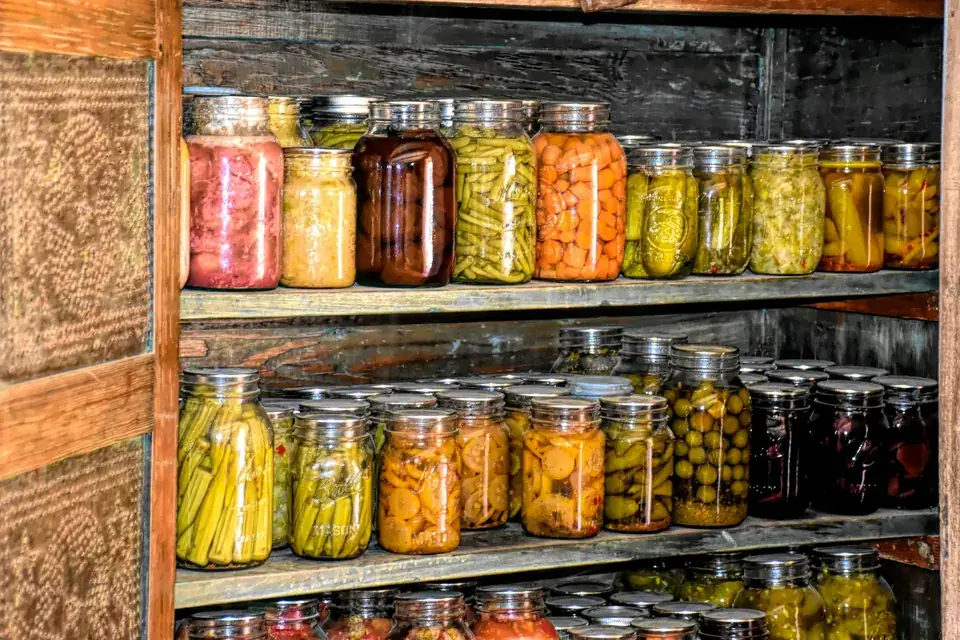
A jar is a container, not a preservation method. Before you choose fruit or a label, decide where the finished spread will live: in the refrigerator, in the freezer, or on a pantry shelf. That decision determines which recipe and equipment you need.
Choose the method first
| Your goal | Start with | What to check |
|---|---|---|
| A small spread for near-term eating | A refrigerator-spread recipe | Its specific cooling and storage directions |
| A fresh-style fruit spread kept frozen | A tested freezer-jam recipe | Pectin type, container, headspace and thawing instructions |
| Unopened jars stored at room temperature | A tested canning recipe | Formula, jar size, processing method and altitude |
| Less sugar | A recipe designed for reduced sugar | The exact pectin and permitted sweetener |
For shelf-stable jam, follow an appropriate tested formula and process from NCHFP, USDA or a university Extension service. A lid that seals is not proof of safe processing. NCHFP canning principles
Make a recipe shopping list
Read the entire source before buying ingredients. Write down the fruit in its required prepared form, the kind of sugar or sweetener, the acid specified, and the precise pectin type. Then check containers, lids, equipment and your elevation if canning.
Do not buy a different pectin because the box looks similar. Liquid, ordinary powdered and low-sugar pectins are not universal substitutes. Our pectin guide helps you understand the labels before choosing a formula.
Useful boundary: Topping your breakfast with a little lemon zest is a serving choice. Adding ingredients to the whole batch before canning changes the formula.
Explore more than strawberry
The NCHFP jam directory includes recipes for peach, berry, plum, apricot, cherry and other preserves. Choose a tested recipe that already matches the fruit you want, rather than swapping fruit into an unrelated formula.
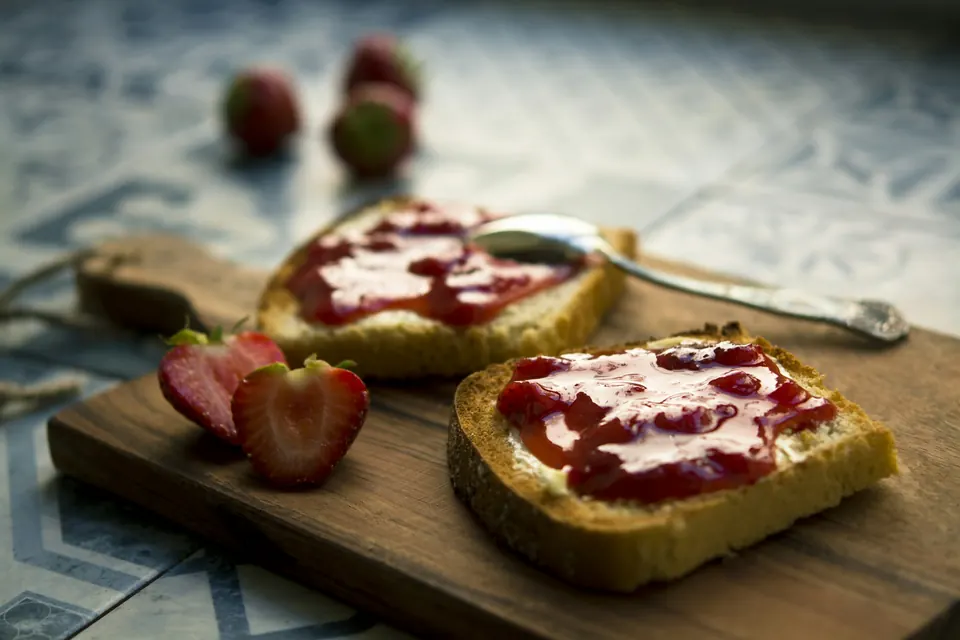
- Start with our strawberry jam planning guide.
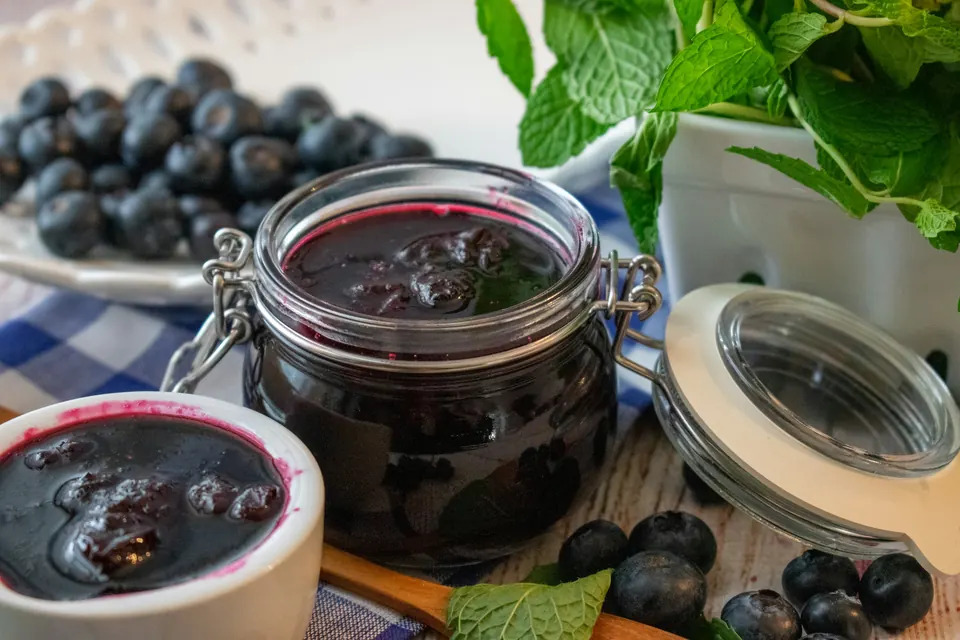
- Explore blueberry jam and serving ideas.
- Read the berry ingredient guide before substituting frozen fruit.
Shortcuts that are not shortcuts
Reducing sugar, doubling a batch, adding peppers, or replacing bottled acid with a different ingredient can change a preservation formula. Make the recipe as written, or choose another tested recipe that fits your goal. NCHFP specifically cautions about low-acid additions to jams and jellies.
If a spread fails to set, do not automatically boil it again with extra pectin. Diagnose the problem and use the source's correction directions. A softer texture can be useful as a topping only when the product is otherwise safely prepared and stored.
Label the finished batch
Record the recipe source, preparation date and storage method. Keep refrigerator and freezer spreads clearly marked so nobody puts them in the pantry by mistake. Follow the particular recipe's storage window; a general jam shelf life does not validate a newly invented low-sugar mixture.
This is a planning guide, not a replacement canning procedure. Keep the complete tested source open while preparing and processing your batch.
Photo shows the style of the dish and may differ from this exact recipe.